
Navigating the online world requires more than just knowing how to click a link. It demands a set of responsible behaviors and ethical choices. For young people, especially students, this concept is foundational for safe and productive internet use.
Since 1999, organizations like Learning.com have worked to equip educators with the right tools. Their goal is to build essential digital literacy in every classroom. These skills help students manage their privacy and evaluate the information they find online.
Using technology responsibly means protecting personal data and one’s digital identity. It involves understanding how content spreads on social media and other platforms. Good communication fosters positive online relationships and communities.
This framework prepares young citizens to participate safely in our connected society. It turns basic knowledge into critical thinking for the modern age. Ultimately, these principles ensure technology serves as a tool for empowerment, not risk.
What Is Digital Citizenship
The concept of responsible behavior in digital spaces forms the backbone of modern education. It prepares young people for a life intertwined with technology.
Since 1999, groups like Learning.com have shaped this idea. They provide a web-based curriculum for all grade levels.
Defining Digital Citizenship
This idea means using computers and the internet to engage with society in a responsible way. Learning.com describes it as the ability to use technology safely and respectfully.
Young learners must protect private data. They also need to manage risks like cyberbullying.
Teaching digital literacy is a core part of any school program. It helps students understand their digital identity.
A good digital citizen thinks about ethics when sharing content online. They know how to create strong passwords for accounts.
Its Role in Today’s Digital World
Educators play a vital part in this process. They show pupils how to navigate the internet and use digital tools.
These tools help build positive online relationships. Structured lessons teach people of all ages about safety.
Verifying information found online is a key skill. The role of these principles keeps changing as tech gets more complex.
Constant attention to how we use digital media is required. This framework ensures technology empowers everyone.
| Core Area | Primary Focus | Key for Students |
|---|---|---|
| Safety & Privacy | Protecting personal information and accounts | Mitigating risks like cyberbullying |
| Information Literacy | Evaluating online content and sources | Learning to verify facts and data |
| Ethical Communication | Fostering respectful online relationships | Understanding the impact of shared content |
| Continuous Learning | Adapting to new technologies and media | Developing lifelong digital literacy skills |
Core Principles and Components of Digital Citizenship
Mastering the digital environment involves learning core components that ensure safe and ethical participation. These pillars guide how young people interact online and use technology.
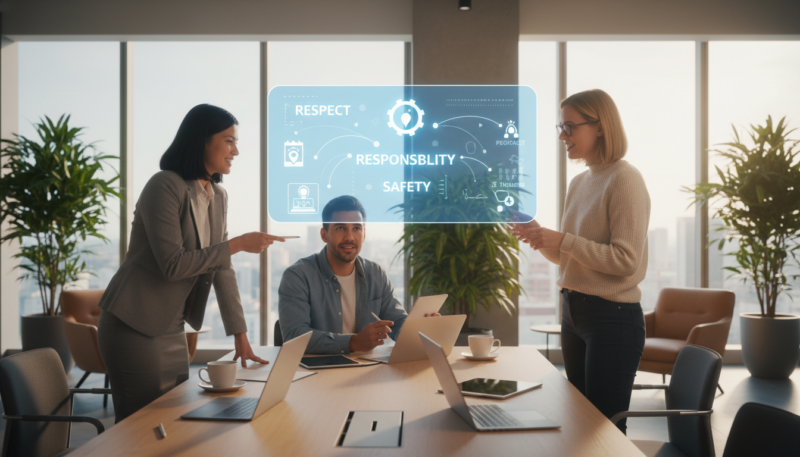
Eisha Buch, head of teaching and learning at Common Sense Media, emphasizes that these principles empower young people to think critically. Her organization provides a free curriculum for schools.
Online Safety and Privacy Protection
Protecting personal information is a primary focus. Students learn to secure their data and manage digital identities.
Understanding what to share online helps avoid risks like cyberbullying. Lessons cover strong passwords and device security.
This part of the curriculum builds skills for navigating the internet safely. It fosters healthy online relationships.
Verifying Sources and Managing Inappropriate Content
Evaluating information is a critical literacy skill. Pupils must distinguish real content from misinformation.
Schools teach strategies to identify reliable sources. They also show how to avoid or report inappropriate material.
Access to quality resources supports this learning. These topics prepare students for responsible media consumption.
Implementing a Digital Citizenship Curriculum
With young people spending up to nine hours daily on screens, schools face an urgent need to embed digital literacy into everyday learning. This integration ensures skills for responsible technology use become second nature.
Jennifer Hall, a digital learning specialist at Atlanta Public Schools, explains these lessons are spread across subjects like math and social studies. This approach makes the concepts relevant and reinforces them throughout the school day.
Strategies for Educators and Curriculum Integration
A robust curriculum helps pupils understand how to use online tools. These tools foster positive communication and build healthy relationships.
Educators use various lessons to highlight ethical social media use. Managing personal data is a key part of this instruction.
Digital Literacy and Teaching Empathy Online
Teaching responsibility involves showing learners how to manage their digital footprint. This helps them avoid the negative impacts of cyberbullying.
Schools that implement this framework ensure young people learn to verify information. Protecting privacy online is a fundamental skill.
By integrating these topics, classrooms prepare students to be responsible participants. The goal is to use online content effectively while maintaining personal safety and well-being.
Digital Citizenship in Different Age Groups and Settings
Real-world implementation shows that a one-size-fits-all model fails to address the spectrum of young people’s online experiences. Effective instruction must adapt to developmental stages and local resources.

Kasha Hayes, an associate director at Digital Promise, highlights the progression. “Elementary pupils learn basics like safe behavior and managing screen time,” she notes. “Middle schoolers then explore in detail what is appropriate to share online.”
Approaches for Elementary and Middle School Students
Younger children focus on foundational concepts. Lessons cover protecting personal data and understanding their digital identity.
Older students tackle more complex social media dynamics. They learn to verify information and recognize cyberbullying.
| Grade Level | Primary Focus | Key Skills Developed |
|---|---|---|
| Elementary | Safety & Healthy Habits | Basic privacy, balanced screen use, positive peer relationships |
| Middle School | Critical Evaluation & Ethics | Source verification, responsible content sharing, managing digital footprint |
Case Studies from Schools and District Practices
Randy Kolset, an administrator in Orange Unified, uses the Common Sense Media curriculum. This provides structured lessons on online safety for all grades.
Atlanta Public Schools organizes its teaching by grade level. This ensures age-appropriate skill building across the entire student body.
Schools must also address access. While 94% of Americans have internet, high-speed connections for school work are not universal. Bridging this divide is crucial for equitable learning.
Future Trends: Evolving Technology and Digital Citizenship
The frontier of online interaction is expanding at a breakneck pace, introducing tools like generative AI and immersive virtual worlds. This rapid evolution creates new responsibilities for everyone navigating the digital space.
Emerging Challenges with AI and Virtual Reality
Eisha Buch of Common Sense Media highlights a key concern. She notes that generative AI and chatbots are impacting the expectations students have for real-life human relationships.
New forms of misinformation, like deepfakes, challenge even advanced media literacy. Pupils must learn to identify fraudulent content and understand the ethics behind AI tools.
These technologies blur the line between reality and simulation. Navigating them safely requires updated lessons in critical thinking and source verification.
Preparing for a Rapidly Changing Digital Landscape
Schools are tasked with integrating these topics into their curriculum. The goal is to ensure young people can use powerful new tools safely and responsibly.
Educators must stay informed about trends to protect student privacy and personal data. Future skills will focus on maintaining healthy relationships in an AI-driven society.
By teaching advanced digital literacy, classrooms prepare citizens for a changing professional world. This proactive approach builds resilience for whatever technology comes next.
Conclusion
Building a foundation of responsible tech use prepares students for success in an interconnected world. These essential skills empower young people to navigate the internet with confidence and care.
A comprehensive digital citizenship curriculum develops crucial digital literacy. It teaches pupils to protect their privacy and evaluate online information critically.
Effective communication on social media platforms fosters healthy relationships and reduces risks. Understanding media influence helps create positive online communities.
Schools provide the guidance needed to become ethical digital citizens. As technology evolves, these principles ensure safe participation in global society.
Ultimately, fostering these abilities allows students to use digital tools for positive impact. They can contribute meaningfully to their future careers and communities.
FAQ
How do you define digital citizenship for students?
Digital citizenship describes the responsible use of technology and online platforms. It involves the norms of appropriate, safe, and ethical behavior when engaging with digital tools and communities. For learners, it means developing skills to navigate the internet wisely, communicate respectfully, and protect their personal data.
Why is teaching online safety a cornerstone of this concept?
Online safety is fundamental because the digital world presents real risks, from data breaches to malicious software. A strong curriculum teaches individuals to create robust passwords, recognize phishing scams, and manage privacy settings on platforms like Facebook and Instagram. This proactive protection is essential for personal security.
What role does media literacy play in being a good digital citizen?
Media literacy is a critical component. It empowers people to critically evaluate online information, distinguish credible news from misinformation, and identify biased or inappropriate content. This skill helps citizens make informed decisions and participate positively in digital dialogues.
How can schools effectively integrate these lessons into their curriculum?
Schools can weave these topics into existing subjects like social studies, language arts, and even science. Using real-world scenarios and project-based learning makes the lessons relevant. Many educators use resources from Common Sense Education to provide structured, age-appropriate activities that build skills progressively.
How should lessons differ for elementary versus high school students?
For younger children, lessons focus on basics like kindness in communication, understanding screen time limits, and recognizing trusted adults. For teens, topics expand to include digital footprints, the ethical use of AI tools, cyberbullying intervention, and the societal impact of their online relationships and shared content.
What are emerging trends that will impact digital citizenship education?
The rise of artificial intelligence, virtual reality, and deepfake technology presents new challenges. Future education must address algorithmic bias, digital identity in metaverse spaces, and the ethical implications of generative AI. Preparing citizens for this landscape means focusing on adaptive thinking and continuous learning.